
Forensic science courses in Ireland and requirements
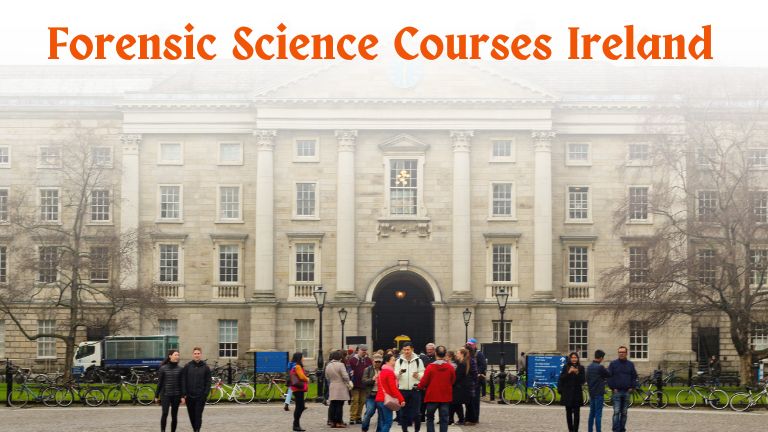
Forensic science Courses in Ireland plays a critical role in modern law enforcement, criminal justice, and legal investigations. Combining science and technology, forensic experts analyze physical evidence to help solve crimes, unravel mysteries, and deliver justice. If you’re intrigued by this fascinating field and wish to pursue a forensic science course in Ireland, this article will serve as your ultimate guide. Why Study Forensic Science Courses in Ireland? Ireland is a hub for higher education, offering a perfect blend of academic excellence and cultural diversity. The country is home to prestigious universities and institutions that provide specialized forensic science courses in Ireland designed to meet global industry standards. With advanced laboratories, experienced faculty, and industry ties, Ireland ensures its forensic science graduates are well-equipped for their careers. Key reasons to study Forensic Science Courses in Ireland includes: Top Forensic Science Courses in Ireland Here’s a look at some of the leading forensic science programs offered by Irish institutions: 1. University College Dublin (UCD): MSc in Forensic Computing and Cybercrime Investigation UCD offers a specialized program focusing on forensic computing and cybercrime, ideal for those interested in the digital aspect of forensics. Course Highlights: Entry Requirements: 2. Dublin Institute of Technology (DIT): MSc in Forensic and Legal Psychology DIT’s program combines psychological expertise with forensic applications, making it unique in Ireland. Course Highlights: Entry Requirements: 3. Griffith College Dublin: Diploma in Forensic Science and Criminal Justice This part-time diploma course provides a comprehensive introduction to forensic science and criminal justice systems. Course Highlights: Entry Requirements: 4. University of Limerick: MSc in Biomedical and Forensic Science This interdisciplinary course explores biomedical techniques and their applications in forensic investigations. Course Highlights: Entry Requirements: Apply Now Study in Ireland for International Students Skills Developed in Forensic Science Courses Studying forensic science in Ireland equips students with: Career Opportunities in Forensic Science Graduates of forensic science programs in Ireland can explore diverse career paths: Ireland’s growing focus on forensic technology and criminal justice reforms ensures a steady demand for skilled professionals. Admission Process and Requirements The application process for forensic science courses in Ireland typically involves: Tuition Fees and Scholarships Tuition fees for forensic science programs in Ireland vary depending on the institution and course. On average: International students can explore scholarships such as: These financial aids can significantly reduce the cost of studying. Life as a Forensic Science Student in Ireland Ireland offers more than just academics. Students benefit from: Conclusion Pursuing a forensic science course in Ireland is a gateway to a rewarding career in a field that merges science, technology, and justice. With its excellent educational infrastructure, career opportunities, and welcoming environment, Ireland is an ideal destination for aspiring forensic experts. Take the first step towards this exciting career by exploring the diverse programs offered by Irish institutions, and prepare to make a lasting impact in the world of forensic science. ALSO READ POPULAR ARTICLES
Complete Guide of Letter of Recommendation for Masters

Letter of Recommendation for Masters: A Comprehensive Guide A Letter of Recommendation (LOR) is an essential component of the application process for master’s degree programs. Universities worldwide use LORs to gain insight into an applicant’s academic abilities, professional experiences, and personal qualities. A compelling recommendation can make a big difference in your application and help you stand out from the competition. We will examine the goal, format, and advice for writing a successful LOR for master’s programs in this post. What is a Letter of Recommendation? A Letter of Recommendation is a written endorsement by someone who has observed your skills, achievements, and potential firsthand. This person, often referred to as the recommender, could be: The LOR highlights your strengths, achievements, and suitability for the master’s program you are applying to. It serves as a validation of your claims in your application and personal statement, offering a third-party perspective. Why Do Universities Require a LOR? LORs are used by universities to assess applicants in ways other than grades and test results. A LOR delivers qualitative information about an applicant’s qualifications, whereas transcripts and resumes give a quantitative assessment. It provides answers to queries such as: In essence, a well-crafted LOR can underscore your capabilities and demonstrate why you are a perfect fit for the program. Types of LORs for Master’s Programs Who Should Write Your LOR? Choosing the right recommender is crucial for a strong LOR. Here are some tips: Pro Tip: Avoid high-ranking individuals who do not know you personally. A generic letter from a well-known figure carries less weight than a detailed endorsement from someone who has closely worked with you. Structure of a Letter of Recommendation A standard LOR typically follows this structure: 1. Introduction Example: “I am pleased to write this letter of recommendation for [Your Name], who was my student in the Department of Computer Science at [University Name]. As a professor with over 10 years of experience, I have had the opportunity to observe many students, and [Your Name] stands out for their exceptional academic prowess and innovative thinking. 2. Body Example: “During their final year, [Your Name] undertook a research project on artificial intelligence applications in healthcare. Their ability to analyze complex datasets and derive meaningful conclusions was remarkable. Moreover, their collaborative approach ensured the project’s success, earning them the highest grade in the class.” 3. Conclusion Example:“In conclusion, I strongly recommend [Your Name] for the master’s program at your esteemed university. Their academic acumen and commitment to excellence will undoubtedly make them a valuable addition to your institution. Please feel free to contact me at [email] for further insights.” Tips for Writing a Strong LOR Common Mistakes to Avoid Sample Template of Letter of Recommendation for Masters Here’s a basic outline for reference: [Recommender’s Name][Designation][Institution/Organization Name][Address][Date] To Whom It May Concern, [Introduction Paragraph] [Body Paragraph 1] [Body Paragraph 2] [Body Paragraph 3] [Conclusion Paragraph] Sincerely,[Recommender’s Name][Contact Information] Conclusion A well-crafted Letter of Recommendation is a critical element of your master’s application. It serves as a testament to your capabilities and potential, giving admissions committees a clearer picture of who you are. By choosing the right recommender, providing them with the necessary context, and ensuring the letter is detailed and personalized, you can strengthen your chances of securing admission to your dream program. Remember, a powerful LOR is not just about listing accomplishments but telling a story that resonates with the admissions team. Take the time to strategize, plan, and collaborate with your recommender to ensure your application stands out. FAQs on Letter of Recommendation for Masters 1. How many letters of recommendation are required for a master’s application? Most universities require 2–3 letters of recommendation. It’s essential to check the specific requirements of the program you’re applying to. 2. Who should I ask for a letter of recommendation? Choose someone who knows you well academically or professionally, such as: Avoid asking family members or friends, as their letters may lack objectivity. 3. How early should I ask for a recommendation letter? It’s best to ask at least 4–6 weeks before the submission deadline. This gives the recommender ample time to write a thoughtful and detailed letter. 4. What should I provide to my recommender? Provide the recommender with: 5. Can I submit the same LOR to multiple universities? Yes, as long as the content is general and doesn’t mention a specific university or program. Some recommenders might tailor the LOR for each institution, but many write a general one that can be reused. 6. What if I don’t have professional experience? If you don’t have professional experience, focus on academic LORs. Professors, academic advisors, or project guides who know you well can provide valuable recommendations based on your academic achievements. 7. Should the LOR be printed on official letterhead? Yes, if possible. A letter printed on the official letterhead of the recommender’s institution or organization adds credibility and professionalism to the recommendation. 8. Can I write the LOR myself and have my recommender sign it? While some recommenders may ask you to draft the letter, it’s generally discouraged. Admissions committees can identify self-written LORs, which could hurt your application. If your recommender asks for help, provide bullet points or a summary of your achievements instead of drafting the entire letter. 9. What if my recommender is unavailable or refuses to write the LOR? In such cases: 10. What length should a Letter of Recommendation be? An ideal LOR is one to two pages long (approximately 400–600 words). It should be concise yet detailed enough to provide specific insights about the applicant. 11. Can I read my LOR before it’s submitted? Some universities allow applicants to waive their right to view the LOR. Waiving this right often adds credibility, as the LOR is considered more honest. However, if your recommender agrees, you can review it for accuracy and relevance before submission. 12. How do universities verify LORs? Universities may contact the recommender directly to verify the authenticity of the letter. Therefore, it’s
Best Universities in Germany for a Master’s in Data Science

Germany has become a major international center for higher education, especially in data science, engineering, and technology. The nation is a desirable location for students wishing to pursue a Master’s in Data Science because of its emphasis on innovation, research, and real-world application. With its cutting-edge facilities, esteemed teachers, and affordable educational system, Germany provides students with outstanding chances to succeed in this rapidly expanding area. Some of the top universities in Germany for a Master’s in Data Science, highlighting their unique offerings, curriculum, and career opportunities. Technical University of Munich (TUM) Key Features of Best Universities in Germany for a Master’s in Data Science The Technical University of Munich (TUM) is one of Germany’s most prestigious institutions, consistently ranked among the top universities worldwide. TUM’s Master’s program in Data Engineering and Analytics is designed to equip students with a deep understanding of data management, machine learning, and big data analysis. Why Choose TUM? University of Mannheim Location: Mannheim, Baden-Württemberg Key Features: Known for its outstanding business and data analytics programs, the University of Mannheim offers a well-rounded curriculum combining data science with practical applications in business and industry. Students benefit from the university’s strong focus on applied research and collaboration with international companies. Why Choose the University of Mannheim? Ludwig Maximilian University of Munich (LMU Munich) Location: Munich, Bavaria Key Features: LMU Munich offers an exceptional Master’s program in Data Science that combines theoretical foundations with practical skills in statistics, data analysis, and artificial intelligence. The university is renowned for its academic excellence and research capabilities. APPLY NOW- Study in Australia for International Students Why Choose LMU Munich? Heidelberg University Location: Heidelberg, Baden-Württemberg Key Features: Heidelberg University, Germany’s oldest university, offers a Master’s program in Data and Computer Science that emphasizes advanced data analysis, computational methods, and machine learning. The program integrates practical and research-oriented learning experiences. Why Choose Heidelberg University for best universities in Germany for a Master’s in Data Science University of Hildesheim Location: Hildesheim, Lower Saxony Key Features: The University of Hildesheim is a leading institution for Data Analytics in Germany, offering a comprehensive program that focuses on big data, data mining, and artificial intelligence. The program is ideal for students looking for a balance between academic learning and industry-relevant skills. Why Choose the University of Hildesheim? RWTH Aachen University Location: Aachen, North Rhine-Westphalia Key Features: RWTH Aachen University is one of Germany’s leading technical universities, offering a rigorous Master’s program in Data Science. The curriculum focuses on statistical methods, machine learning, and practical applications in various industries. Why Choose RWTH Aachen for best universities in Germany for a Master’s in Data Science University of Stuttgart Location: Stuttgart, Baden-Württemberg Key Features: The University of Stuttgart’s Master’s program in Data Science is designed to prepare students for the challenges of managing and analyzing large datasets. The program covers a wide range of topics, including data engineering, visualization, and computational intelligence. Why Choose the University of Stuttgart? Admission Requirements for Master’s in Data Science in Germany While the specific requirements vary between universities, general prerequisites include: Benefits of Studying in Germany Conclusion Germany stands out as a prime destination for students seeking a Best Universities in Germany for a Master’s in Data Science like TUM, LMU Munich, and RWTH Aachen offer top-notch education, cutting-edge facilities, and excellent career prospects. With a low-cost education system and abundant research opportunities, studying data science in Germany can be a transformative experience. Aspiring data scientists should carefully consider their career goals, university offerings, and location preferences to make the best decision. With the right choice, Germany can pave the way for a rewarding and fulfilling career in data science. ALSO READ
A Comprehensive Overview of Germany Dual Education System

The German school system has a rich tradition of implementing the dual system, originating in the Middle Ages. The collaboration between mostly private businesses and public vocational schools is a crucial aspect of the dual system. This collaboration is governed by legislation. The word “dual” also refers to a particular constitutional circumstance in Germany where the federal states (Länder) are in charge of vocational schools while the federal government is responsible for vocational training within companies. Consequently, Germany’s dual vocational training system successfully integrates theory with practical experience, knowledge with skills, and education with work The German system of vocational training is widely recognized as a foundational and highly effective model for vocational training since it combines theory and practice, classroom and company, and learning and working. studying and working in a classroom and company.If you’re looking for such a chance, the Dual Education System may be the answer! With these special programs, you may be paid while earning a degree and useful real-world experience with prestigious firms like Siemens and BMW. Imagine attending a top institution to study computer science, engineering, or business while using your abilities in a real-world work environment. This ideal combination will position you for success in the cutthroat employment market of today. All set to find out more? Now let’s get started! Would you like to work in Germany while pursuing your studies as an international student? Programs for dual study can be exactly what you need! Due to Germany’s unique educational structure, students can combine classroom teaching with practical, on-the-job training. This blog will cover all the information you want about dual study programs in Germany, including their definition, application procedures, and the reasons they could revolutionize your professional path. What is a German dual study program? In Germany, dual study programs, referred to as “DualesStudium,” offer a modern educational approach that enables students to simultaneously gain academic knowledge and practical experience.Classroom education and on-the-job training at linked businesses are combined in these programs.For a program to be considered dual, it must include two distinct learning environments, such as the corporation or institution and the higher education institution. You will discover a thematic link between your practical work placement and your academic program, as well as an institutional link and strong collaboration between your university and industry. To be deemed legitimate, a study program must meet academic standards. Academic institutions must adhere to acceptable academic standards and hold state accreditation as higher education establishments. This implies that it is feasible to switch to a master’s degree that is solely academic after completing a dual bachelor’s program. The outcome of a dual study program is the dual certification. One way is through an academic degree, usually a bachelor’s degree, however master’s degrees can also be obtained in two different formats. However, in the form of hands-on job experience, which in certain situations involves finishing a certified vocational training program. Also Read- Commercialization of Education What is the framework of Germany’s several dual study program types? To put it simply, dual studies essentially refer to working for a firm while also pursuing education. You, your company, and your school work together to coordinate both parts. This term does not apply to learning formats like online or part-time programs that do not include the same degree of coordination between the various partners. Technically speaking, they are not dual, even if they can enable you to combine employment and education. It might be a little challenging to determine which program kinds and time models are available at particular institutions while looking for dual programs. Different kinds of dual study programs available in Germany The sort of practical component that is incorporated into the studies determines the differences between the dual program study types: Dual training-integrated programs (ausbildungsintegrierend in German) Academic instruction and a certified occupational apprenticeship in a recognized profession are combined in training-integrated dual programs. In addition to their academic degree, typically a bachelor’s degree, graduates also obtain a vocational certificate from the German Chamber of Commerce or the German Chamber of Commerce and Industry. Students must take two tests in order to obtain both an academic and a vocational certificate. Approximately 35% of programs in existence in 2019 use this paradigm. This kind of curriculum is usually started by students after they graduate from high school. To be qualified, you need to have an apprenticeship contract with a firm and a secondary school leaving certificate that allows you to continue your study in Germany. Additionally, it is nearly always necessary to speak German. Students in this program study and acquire both academic and practical components that are closely related and coordinated in content. Dual Practice-integrated programs (praxisintegrierend in German) Like training-integrated programs, practice-integrated dual programs combine academic instruction with real-world experience in a business or institution. The content of the academic and practical sections is coordinated and connected, just like in training-integrated programs. However, the main distinction is that the practical components do not include a recognized vocational training. Consequently, graduates of practice-integrated dual programs have a bachelor’s or often a master’s degree, some real-world job experience, but no formal vocational training certificate in a recognized field. Almost half of all study programs were available in this format in 2019. This model’s students are not apprenticeship trainees; instead, they work as normal workers or as interns. This model’s students often work with a single firm during this period, although there are also practice-integrated dual study models that let you intern at several companies and switch companies every semester. In the latter instance, you could only get paid for the months that you work. After completing high school or a bachelor’s degree, students usually begin this kind of program. A few of these individuals have also begun a profession before choosing to pursue further education under this study plan. In order to be qualified for this sort of program, you must have a first academic degree for practice-integrated master’s programs or a secondary school leaving
Overview of Arden University Germany and admission process

In the field of online and blended learning, Arden University is well-known for providing top-notch programs that cater to the demands today’s learners. With its presence in Germany, Arden University has introduced its flexible, career-focused, and easily accessible programs to one of the most vibrant educational environments in Europe. This article explores Arden University Germany’s curricula, campus life, benefits, and other features that make it a special option for both domestic and international students. Overview of Arden University Germany Since its founding in the UK in 1990, Arden University has developed into a pioneer in mixed and online education. The institution provides career-focused courses that prioritize industry relevance and practical skills. With an emphasis on individuals who require flexible study alternatives, Arden’s goal is to increase access to higher education. This goal is supported by its German branch, which is based in Berlin and primarily serves students with an interest in business, technology, healthcare, and related subjects. The university’s programs are guaranteed to satisfy worldwide standards thanks to its accreditation by reputable organizations like the German Accreditation Council and the UK’s Quality Assurance Agency (QAA). Because of this, Arden University Germany is a desirable option for students seeking a degree that is accepted throughout the world and can be tailored to their own schedules. ALSO READ Work-Study in Germany for International Students Programs and Courses Offered Arden University Germany offers a variety of undergraduate and postgraduate programs, primarily in English, making it highly accessible for international students. The focus areas include: Each program is structured to offer real-world applications, and courses are updated regularly to reflect current industry standards. The curriculum focuses on developing both academic knowledge and practical skills, with project-based assessments and internships to prepare students for real-world scenarios. Flexible Learning Options Arden University Germany is known for its commitment to flexible learning. Students can choose between: The online learning platform provides students with access to course materials, live webinars, recorded lectures, and interactive forums where they can collaborate with peers and professors. This flexibility is ideal for working professionals or anyone who cannot commit to traditional full-time, in-person study schedules. Advantages of Studying at Arden University Germany There are several key advantages to choosing Arden University Germany for higher education: Admissions Process The admissions process at Arden University Germany is designed to be straightforward and accessible, with requirements that vary depending on the program level. Arden University also considers non-traditional applicants who may not meet formal requirements but have significant work experience or professional qualifications. Student Life and Campus Experience Although Arden University Germany’s emphasis is on flexible, self-paced learning, it offers a range of activities to enrich student life: Career Opportunities and Graduate Success Arden University Germany’s focus on employability is a key feature, with career services aimed at helping students transition into the workforce. Services include: Arden University Germany is committed to equipping students with the skills needed to excel in their fields, whether they’re advancing in their current careers or entering new ones. Why Choose Arden University Germany? Arden University Germany is an excellent option for those seeking an education that is not only flexible but also aligned with the demands of the global workforce. Its programs are designed to prepare students for practical challenges, helping them develop skills that are highly sought after in today’s job market. The combination of affordable tuition, flexible learning options, and a strong focus on career preparation makes Arden University Germany a particularly appealing choice for international students who want to study in Europe without compromising their other responsibilities. Conclusion In one of the most vibrant cities in Europe, Arden University Germany provides a contemporary, approachable higher education experience. Arden University serves students from a variety of backgrounds and career stages by offering flexible learning alternatives, career-focused programs, and a nurturing learning atmosphere. Arden University Germany offers a method to reach your objectives, whether they desire to change careers entirely, develop in your current field, or acquire new abilities. Arden University Germany is a strong choice for students looking for a top-notch education in a flexible format because of its international recognition and advantageous location in Berlin. ALSO READ POPULAR ARTICLES
What food options are available for students in the USA

There is a wide variety of food and eating alternatives available to international students in the USA that may accommodate a range of dietary requirements and tastes. Even though you may be accustomed to eating at home as an international student, you will probably dine at the college dining hall, which serves authentic American food, now that you are studying in the United States. You might be wondering what you’ll eat each day and what exactly American cuisine and food are. This guide will help you with choosing meals that you will like and sticking to your college meal plan will be easier. American Food Diversity International cuisines are the source of American cuisine, which is still developing. The eating culture of America has changed along with the population and technological advancements.Food from many nations, areas, and ethnic groups is frequently combined in American cuisine culture to produce whole new dishes that are exclusive to the US because of this great diversity of cuisines. America’s culinary culture incorporates ingredients and influences from the Caribbean, China, France, Germany, India, Italy, Jamaica, Japan, Mexico, Spain, Thailand, Vietnam, and many more countries, showcasing the wonderful tastes of the world. Although this varies by area, the majority of American ethnic meals are modified to suit local preferences and the ingredients that are readily accessible. Particularly in urban areas, there are several restaurants serving cuisine made using genuine ethnic products and methods. (Eating a meal that brings back memories of home might make you feel more at ease if you ever experience homesickness). One of the nicest things about American food is that it always makes you feel at home. The ability to combine tastes, textures, and cooking methods from several countries to produce distinctive, delectable meals is what distinguishes American cuisine and culinary culture. States renowned for their incredible cuisine and cultural variety are worth considering if you’re itching for real food experiences while studying in the US. Among the most diversified cuisine states in the United States are California, Florida, Illinois, Ohio, New York, and Texas. There are many different types of American and ethnic food available to you wherever you study, both on campus and in the dining hall. As your comfort level in the United States increases, you could find yourself roaming the campus or surrounding neighborhood, checking out various eateries as you pick your favorites! Meal illustrations You can find a large selection of food alternatives on campus. In order for you to know what options you have, let’s look at some American classics that are a mainstay of many diets. (Notably, this list excludes off-campus eating alternatives, which are likely to provide a variety of dining experiences and fusion dishes that are often regarded as a component of American cuisine.) These are some typical American foods you could find at the dining hall on campus. Although you may see many of these items at any time of day, we have classified them according to the meal when you are most likely to consume them. Breakfast Lunch Dinner Snacks Fast Food For many Americans, eating fast food is a daily ritual and a prominent aspect of American cuisine culture. 36.6% of Americans consumed fast food on any given day, according to a 2018 study conducted by the Centers for Disease Control and Prevention.You could discover that your new American acquaintances have strong tastes for “the best” restaurants because fast food is so common in America. Many Americans prefer McDonald’s over Burger King, Dunkin’ Donuts to Starbucks, or Chipotle to Taco Bell (or the other way around). In America, fast food culture is quite popular, and it’s not unusual to have a playful argument about which establishment is the finest. The two primary motivations for international students to buy food from fast-food businesses are often convenience and affordability. A Big Mac meal from McDonald’s included a burger, fries, and a drink, and it cost about $13.39 at the time of writing. Fast food may be quite inexpensive for students on a tight budget. Dining at College It’s possible that the American culinary culture is considerably different from your own, and during the first few months you could miss the flavors of home. While there are always traditional comfort food options at restaurants in and around your city, it’s crucial to weigh the expenses and how much less expensive eating out is compared to grocery shopping and cooking your own food. Your success in class depends on having a healthy body and mind, therefore it’s critical to eat properly, with an emphasis on nutrition and wellbeing! Many institutions provide meal plans to overseas students to make dining at college easier. This might be a fantastic choice if you like to consume a range of cuisines at reasonable prices without sacrificing your health. How Will Your College Meal Plan Cover Your Meals? You might have to purchase a college food plan if you’re an international student living on campus. You will be able to dine in the campus dining hall as part of your meal plan. You might be able to buy meals at campus eateries with certain meal plans. Meals are often served buffet style at the dining hall. On your walk inside the dining hall, you swipe your meal card and select from the day’s menu of selections. You might have to purchase a college food plan if you’re an international student living on campus. You will be able to dine in the campus dining hall as part of your meal plan. You might be able to buy meals at campus eateries with certain meal plans. Meals are often served buffet style at the dining hall. On your walk inside the dining hall, you swipe your meal card and select from the day’s menu of selections.If you wish to change up your diet, you may find different alternatives on and near campus wherever you study in the United States. You can pay with your own credit card or cash at
STEM Courses in USA and their benefits

The world’s scientific and technological advancements are happening quite rapidly. Both employment and academic prospects in this sector are expanding at the same rate. This explains why STEM courses are currently the most popular option for students in the USA. The words science, technology, engineering, and mathematics are shortened to STEM.STEM courses are more than simply academic cornerstones; they spur innovation and advancement. STEM fields are at the forefront of innovation and change, from advances in renewable energy to discoveries in artificial intelligence. With competitive programs offered at esteemed colleges around the country, the USA is the ideal starting point for STEM study. STEM enrolment has increased dramatically over the last ten years, demonstrating a growing need for skills critical to economic and technological advancement. To stand out in the industry, your next steps should be to choose the top university and pursue the appropriate specialization. This extensive blog will provide you all the information you need to understand STEM courses and what it’s like to study in the USA, which is every foreign student’s ideal study abroad location. STEM courses: What are they? The four primary disciplines of STEM courses are science, technology, engineering, and mathematics. Indian students are among the many foreign students who take these courses, which are offered at colleges all around the world. In STEM, the letter “S” stands for science, which includes fields like biology, chemistry, physics, and environmental science. The letter “T” stands for technology, which includes cyber security, information technology, software development, and computer science. The letter “E” stands for engineering, which is the process of creating systems, gadgets, and structures. Specializations in civil, mechanical, electrical, and aerospace engineering are available in STEM engineering courses. Last but not least, “M” stands for mathematics, which offers the fundamental foundation for comprehending and resolving challenging issues. STEM courses are intended to provide students with a comprehensive grasp of various topics by teaching them in an interdisciplinary manner as opposed to concentrating on each topic independently. Because STEM occupations are recognized for their financial and worldwide rewards, there is a significant demand for STEM education. Universities are incorporating these technical courses into their curricula in order to keep the USA at the forefront of technology, an area in which it has been a leader. The STEM workforce is also essential for promoting innovation in engineering, technology, and other domains. Why Choose USA for STEM Study? Let’s examine why the USA is a top choice for overseas students looking to pursue STEM education before getting into the specifics. The United States is a fantastic place to study STEM for several reasons, including: Top STEM courses in the United States for foreign students The following are some of the most popular STEM programs in the US for foreign students: Requirements for STEM Admission The prerequisites for admission to STEM programs vary throughout US colleges. There are several requirements that must be met in this regard. Let’s examine the same in further detail: Apply Now– Study in USA for International Students Required Documents for STEM Courses in the USA The following paperwork is needed to apply to STEM programs in the United States: US STEM Course Admissions Process An outline of the steps you need to take to get admitted to a STEM program at a US university is provided below: Benefits of STEM Courses in USA Enrolling in STEM courses in the United States has several advantages. A list of a few of them is provided here: 1. World-Renowned Institutions The USA routinely ranks highly in international university rankings and is home to a concentration of some of the most prominent institutions in the world. These universities draw top academics, researchers, and state-of-the-art facilities, giving students access to unmatched educational possibilities. Imagine working with top authorities in your field on research projects or receiving mentoring from Nobel laureates! Just think of the priceless knowledge and experiences you will get from instructors who are actively influencing the direction of their fields. 2. Career Opportunities STEM graduates are highly sought after in a variety of fields in the United States, such as technology, healthcare, engineering, and finance. Their education has given them the information and abilities they need for a variety of jobs both domestically and abroad. Getting a STEM degree from a US institution puts you in a strong position to succeed in a job market that is changing quickly and will lead to interesting occupations that have the potential to truly change the world. 3. Diversity in Programs and Specializations Numerous STEM programs that appeal to a broad variety of interests are available at US colleges. Whether you have a passion for computational biology, robotics, artificial intelligence, or renewable energy, there are programs specifically designed to meet your needs. Program titles are only one aspect of this variation; many colleges also provide substantial major modification. To design a learning experience that precisely matches your job objectives, you may frequently select certain courses, electives, and research projects. You may become more than just a STEM graduate with this degree of concentration; you can become a highly motivated professional with a distinct set of talents. 4. Promoting Creativity and Entrepreneurship The USA encourages students to look beyond the classroom and come up with answers for problems they face in the real world by fostering an innovative and entrepreneurial culture. Numerous colleges assist students in turning their ideas into profitable endeavours by providing mentorship opportunities, hackathons, and incubator programs. You get the abilities and perspective necessary to lead your chosen area by studying here. Employers greatly like this “think outside the box” strategy, which gives you an advantage in the employment market. 5. Learning via Experience and Project-Based Learning STEM programs in America are more than just lectures. Research projects, internships, and experiential learning are frequently included into curricula to enable students to apply their theoretical knowledge to practical issues. In addition to broadening your knowledge, these experiences help your CV stand out to companies. Consider working on a
Work-Study in Germany for International Students

For international students studying in Germany, navigating work-study possibilities may be a life-changing experience. This thorough guide will examine the possibilities of work-study programs, illuminating the options accessible to foreign students seeking to strike a balance between coursework and real-world experience. From comprehending the legal structure to investigating various employment opportunities, this article will examine student employment in Germany and all of the opportunities the nation has. Whether your goal is to finance your study, get priceless experience, or just become fully immersed in the distinctive German work culture, this guide will assist you in striking a balance between your academic endeavours and practical professional exposure. Work-study programs in Germany are quite beneficial to international students. In addition to offering financial assistance, they also give students useful job experience that they may utilize to further their academic background. The idea of work-study programs in Germany, the kinds of employment that are accessible, the language proficiency needed, and the legal criteria that international students must fulfil will all be covered in this article. We will also go over the advantages of taking part in these programs, such as career advice and help finding a job. German Work-Study Programs: A Summary International students enrolled in work-study programs in Germany have a rare chance to manage their financial and academic obligations. In addition to earning money through part-time job experience, these programs enable students to participate in regular curriculum. International students have a variety of employment options, ranging from seasonal work in the hospitality and retail sectors to student assistants in academic research departments. Generally, students are only allowed to work 20 hours a week during the semester and 40 hours during breaks, which allows them to focus on their academics and yet make a respectable living. When studying in Germany, overseas students can benefit from a number of work-study opportunities. Students who have real-world experience can improve their resumes and develop important skills related to their course of study. It also provides a chance to network with people in their respective fields and learn about the work culture in Germany. In order to lessen the financial strain of tuition, living fees, and other study abroad charges, international students studying in Germany may want to apply for a work-study program. Students must balance their employment and study obligations, and the quantity of hours they work should never be a factor in determining the quality of their education. Jobs in Germany: Getting Employment While Studying Finding employment might help you pay for your education and lessen financial strain if you intend to study in Germany. International students can find a wide range of employment options in Germany, such as internships, part-time jobs, and hands-on training programs. In Germany, students frequently perform part-time employment. You may put in less effort each week and yet make enough money to pay your bills if you work a part-time job. There are part-time positions available in a number of industries, including retail, IT, and hospitality. Some colleges also provide their students part-time employment, such aiding with research projects or working in the library. Practical training courses and internships can also improve your employability and offer important job experience Internships are available in many different fields, including marketing, engineering, and finance. Additionally, a lot of German businesses provide hands-on training programs that integrate academic coursework with real-world experience. German Work-Study Programs: Economic Benefits For international students studying in Germany, there are several financial advantages to taking part in work-study programs. These programs lessen students’ financial responsibilities while they pursue higher education in Germany by giving them the chance to earn money to pay for living expenses. Additionally, overseas students may obtain real-world job experience by taking part in work-study programs. This can improve their future employment chances and serve as a useful supplement to their resumes. For foreign students studying in Germany, language competency is one of the main obstacles. The majority of colleges and jobs demand a high degree of proficiency in German, which can be difficult for students who are not proficient speakers. However, there are several German language classes accessible for foreign students to develop their language skills, so don’t worry. Additionally, by collaborating with native speakers, foreign students may enhance their language proficiency and get a deeper understanding of German culture through work-study programs. Additionally, they offer students the chance to network and build relationships in the field they want to pursue. Note that in order to engage in work-study programs in Germany, students must adhere to certain rules and specifications, such as weekly labour hours and employment limits. Thus, it is essential that students understand these rules and abide by them in order to stay out of trouble with the law. To sum up, work-study programs in Germany provide foreign students with a wealth of financial advantages as well as real-world job experience that may help them advance throughout their careers. Moreover, they offer the chance to network, enhance language proficiency, and acquire knowledge about German culture. To prevent any legal issues, students should educate themselves on the guidelines pertaining to work permits and visa requirements. Student Life in Germany: Balancing Work and Education Even while working might be advantageous, it’s crucial to strike a balance between employment and school obligations. Prioritize your education and make sure that employment obligations don’t conflict with your coursework or tests. Avoiding burnout and preserving a good work-life balance are also crucial.To assist students in efficiently managing their time, several colleges provide resources and support services. Study groups, academic counselling, and time management courses are a few examples of these options.All things considered, obtaining employment while studying in Germany may provide a number of advantages, including both financial assistance and important job experience. However, maintaining a good work-life balance and striking a balance between academic obligations and professional commitments are crucial. Time management: Tips for striking a balance between work and study Studying in Germany may be difficult, particularly if you have to balance job and school
Best Universities for MSC Computer Science in Germany 2025

Germany is a top choice for those seeking advanced degrees in computer science since it has long been a leader in engineering and technology. Germany is a great place for aspiring computer science students because of its excellent educational system, cutting-edge research facilities, and reasonably priced tuition. In the global IT industry, an MSc in Computer Science from one of Germany’s best universities can lead to fascinating research and job opportunities. Here are a few Best Universities for MSC Computer Science in Germany in 2025. List of Top Universities for MSC Computer Science in Germany 1. Technical University of Munich (TUM) Program Highlights: 2. Ludwig Maximilian University of Munich (LMU Munich) Program Highlights: 3. University of Stuttgart Program Highlights: 4. Heidelberg University Program Highlights: Apply Now Study in Canada for International Students 5. RWTH Aachen University Program Highlights: 6. Technical University of Berlin (TU Berlin) Program Highlights: 7. University of Freiburg Program Highlights: 8. Karlsruhe Institute of Technology (KIT) Program Highlights 9. University of Mannheim Program Highlights: Why Study MSc Computer Science in Germany? Beyond its academic prowess, Germany attracts overseas students. The nation is renowned for providing inexpensive education, with public universities charging little or no tuition. Furthermore, the IT industry in Germany is seeing rapid growth, and students can hunt for employment in the nation after earning their degrees thanks to post-graduation job search visas. Additionally, because of Germany’s emphasis on research, students can access cutting-edge projects and technology in domains like cybersecurity, data science, robotics, and artificial intelligence. Graduates of prestigious German universities are prepared to find employment in multinational corporations or, if they want to go into academia, to pursue PhD programs. Conclusion An MSc in Computer Science from one of the best universities in Germany may give students a strong academic foundation and open opportunities to a global tech career. Students may delve deeply into fields like artificial intelligence, data science, and software engineering thanks to the combination of theoretical and practical knowledge offered by universities like TUM, LMU, RWTH Aachen, and Heidelberg University. Germany is still a great option for students hoping to progress in their computer science careers because of its reasonably priced education, robust research possibilities, and thriving tech hubs. ALSO READ
A Complete Guide of PhD Degrees in Germany and Features

Germany is a popular destination for students pursuing PhD studies because of its strong educational system, world-class universities, and innovative research programs. With the help of top-notch staff, state-of-the-art research facilities, and a combination of theoretical and practical teaching methods, German universities provide PhD programs in a wide range of subjects. Additionally, thousands of overseas students are drawn to Germany each year by its dedication to provide tuition-free education at public universities. Selecting the appropriate German university is an important step for prospective PhD candidates, since it can have a big impact on their research and career path. This article delves into the top universities in Germany for PhD programs, highlighting what sets each apart and why they are excellent choices for academic and research pursuits. List of Best Universities in Germany for a PhD degrees and Key Features: 1. Ludwig Maximilian University of Munich (LMU Munich) LMU Munich, one of Europe’s leading research universities, boasts a history of academic excellence that dates back to 1472. Known for its interdisciplinary approach to research, LMU provides a dynamic environment for doctoral students, especially in fields such as humanities, social sciences, natural sciences, and medicine. Key Features: 2.Technical University of Munich (TUM) TUM is known for its emphasis on technology, engineering, and applied sciences and is frequently ranked among the best technical colleges in the world. TUM, which was founded in 1868, works closely with top research institutes and industry to give PhD students practical experience and a wealth of networking opportunities. Key Features: 3.Heidelberg University As Germany’s oldest university, founded in 1386, Heidelberg University combines traditional academic values with a forward-looking approach to research and innovation. It consistently ranks among the best universities globally, offering a strong research culture and multidisciplinary PhD programs, particularly in the life sciences, humanities, and social sciences. Key Features: 4.Humboldt University of Berlin For more than 200 years, Humboldt University, sometimes referred to as the “mother of all modern universities,” has led the way in innovation and research. The university, which is situated in the energetic capital of Germany, offers PhD students—particularly those pursuing studies in the humanities and social sciences—an engaging academic atmosphere. Key Features: 5.University of Freiburg The University of Freiburg, located near the picturesque Black Forest, is known for its research in natural sciences, engineering, and environmental studies. It is also home to some of the leading research centers in renewable energy and sustainability, making it a great choice for PhD students interested in green technologies and ecological research. Key Features: 6.University of Göttingen The University of Göttingen was established in 1734 and is renowned for its studies in the natural and biological sciences, especially chemistry, biology, and physics. The institution is a member of the Göttingen Campus, a research network that includes the Max Planck Institutes, and is known for turning out top-notch scientists. Key Features: 7.RWTH Aachen University As one of Europe’s leading technical universities, RWTH Aachen has an impressive track record in engineering, information technology, and applied sciences. With a strong emphasis on innovation and close industry collaboration, RWTH Aachen is an ideal choice for PhD candidates looking for practical research experience and industry exposure. Key Features: Choosing the Right University When selecting a university for a PhD program in Germany, several factors should be considered: Conclusion With strong research funding, global networks, and a rich academic legacy, German universities provide outstanding prospects for PhD candidates. Regardless of your area of interest engineering, the humanities, the scientific sciences, or the social sciences Germany’s wide selection of prestigious universities guarantees a fulfilling and fruitful PhD experience. Your PhD in Germany could be the first step toward a successful academic and professional career if you make the correct decision. Also Read Popular Articles